
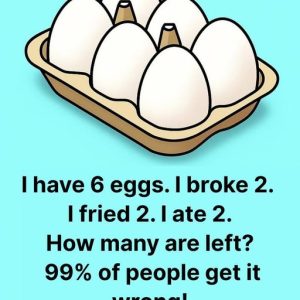
On social media, some challenges look simple at first—but hide clever logical traps that few people catch. One of the most famous is the “6 eggs” riddle, which has stumped thousands around the world.
At first glance, it seems like basic math. But only those who pay close attention to the details get the right answer. These kinds of riddles don’t just entertain—they sharpen your logical thinking and mental precision.
A Riddle Based on Subtle Logic
The riddle goes like this:
“I have 6 eggs. I broke 2, I fried 2, and I ate 2. How many eggs are left? 99% of people get it wrong.”
Most people immediately jump to a straightforward calculation:
6 – 2 (broken) – 2 (fried) – 2 (eaten) = 0 eggs left.
But that’s a mistake in interpretation.
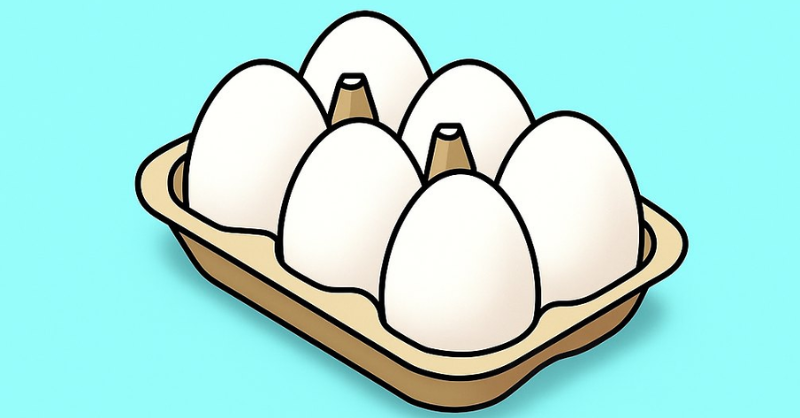
The key is realizing that these actions may have been performed on the same eggs. That is:
- 2 eggs were broken.
- Those same 2 eggs were fried.
- Then, those same 2 eggs were eaten.
So in total, only 2 eggs were used throughout the whole process. The remaining 4 eggs are untouched.
 Correct answer: 4 eggs remain.

Why Riddles Like This Are Good for You
These types of brain teasers do more than just pass the time—they train important cognitive skills:
- They improve attention to detail.
- They strengthen logical reasoning.
- They teach you to question assumptions.
- They boost concentration and working memory.
Often, we jump to conclusions without really analyzing what we’re reading. But these puzzles force us to slow down, notice subtleties, and think carefully—skills that are useful in everyday life, too.
Tips for Solving Tricky Riddles Like This
- Read every sentence slowly—don’t assume anything.
- Consider whether the actions might be referring to the same items.
- Look for hidden clues in the way the riddle is worded.
- Don’t rush your answer. Taking a second look can change everything.
So the next time you come across a riddle like this, remember: things aren’t always what they seem—and the answer might be hiding in plain sight.