

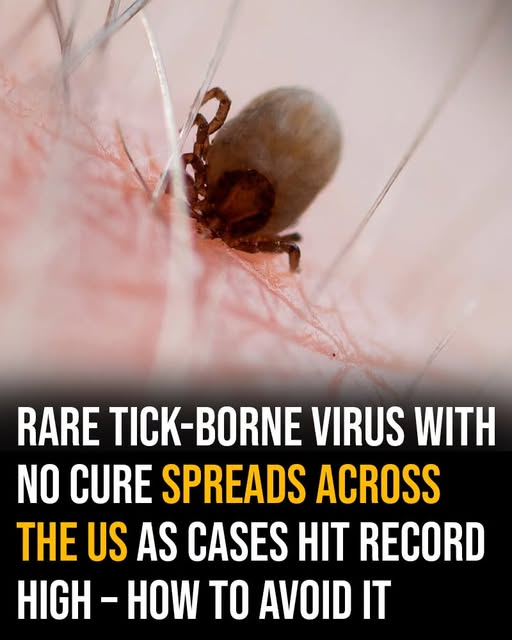
Powassan virus is forcing doctors to confront a nightmare scenario: a fast-transmitting tick bite that can lie silent for weeks before attacking the brain. Unlike Lyme disease, Powassan can be passed in as little as 15 minutes of attachment, leaving almost no margin for error. Once symptoms hit—fever, vomiting, weakness, confusion—there is no targeted drug to stop it, only supportive hospital care and hope. Some survivors never fully recover, living with permanent memory problems and neurological damage.
Yet experts insist this is a moment for vigilance, not panic. Cases remain rare, but they are rising, and prevention is still your most powerful weapon. Long sleeves, insect repellent, careful tick checks, and post-hike showers can decide who ends up in an ICU and who sleeps peacefully at home. Awareness, not fear, may be what keeps this virus from quietly rewriting summer as we know it.