

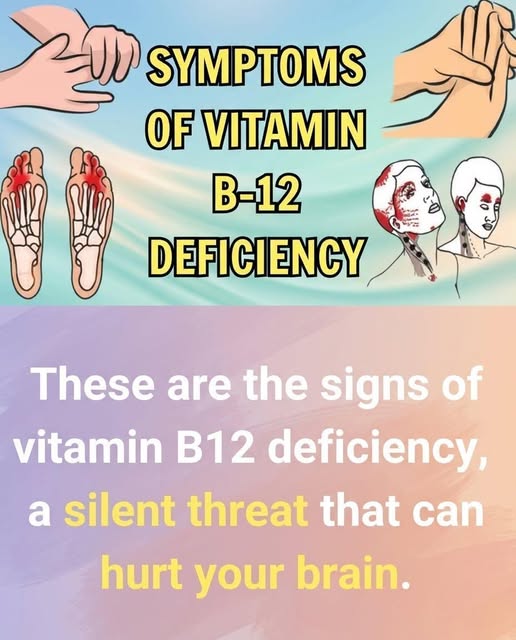
Vitamin B12 is an essential nutrient that helps the body produce red blood cells, support nerve function, and maintain healthy DNA.
Because the body cannot produce vitamin B12 on its own, it must be obtained through food or supplements. It is mainly found in animal-based foods such as meat, fish, eggs, and dairy products.
People who avoid these foods, including some vegetarians and vegans, may be at higher risk of low vitamin B12 levels if they do not use fortified alternatives or supplements.
One of the earliest signs of deficiency is persistent tiredness. This can occur when the body cannot produce enough healthy red blood cells to efficiently carry oxygen.
Other common symptoms include weakness, shortness of breath, dizziness, and difficulty concentrating. These signs are often mistaken for stress or lack of sleep.
As levels decline further, more noticeable symptoms may develop, including pale or yellowish skin, a sore tongue, mouth discomfort, and tingling or numbness in the hands and feet.
Low vitamin B12 can also affect the nervous system and mood, leading to forgetfulness, irritability, reduced focus, or slower mental processing in some individuals.
A simple blood test can determine vitamin B12 levels. Treatment depends on the cause and may include dietary changes, oral supplements, or injections prescribed by a healthcare professional.