
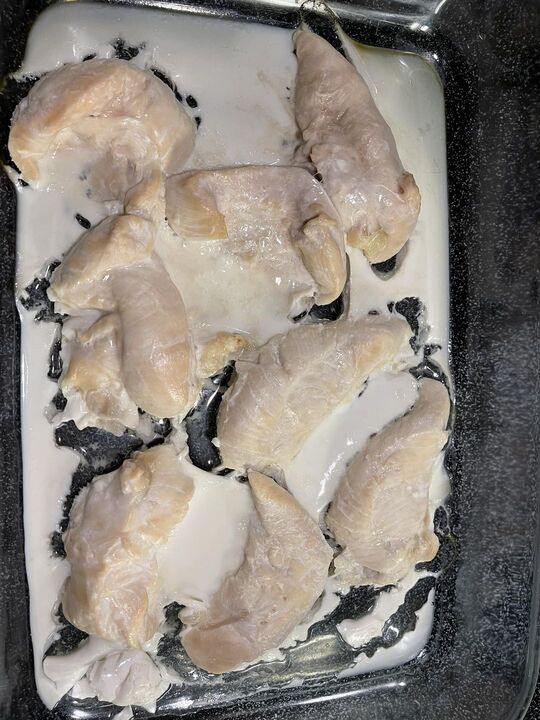
Why Your Cooked Chicken Sometimes Releases White Goo
The Unexpected Surprise
You pull a perfectly seasoned chicken breast from the oven, expecting a golden, juicy masterpiece—and then you see it: a strange white substance pooling around your poultry. It’s not what you envisioned, but don’t worry. This is completely normal.
Personal chef and culinary instructor Drew Curlett explains that this happens to cooks at every skill level. “It might not be pretty,” he says, “but it’s normal to see white stuff come out of chicken, especially when baked or roasted.”
What Is This White Goo?
Despite its odd appearance, the white substance is just a combination of protein and water pushed out during cooking. Chicken breast, high in protein and low in fat, reacts strongly to heat. As proteins denature—similar to how egg whites solidify—they clump together and expel water, forming that semi-solid, slightly sticky white film.
This effect is most common when you cook:
-
Boneless, skinless chicken breasts – Their high protein and low fat make them prone to releasing this substance.
-
Chicken at high temperatures – Baking, roasting, or pan-searing quickly contracts proteins, pushing out more liquid.
-
Frozen chicken that wasn’t fully thawed – Ice crystals damage muscle fibers. When cooked, these fibers release extra moisture and protein.
Is It Safe?
Absolutely. That white goo might look unappetizing, but it’s completely edible. It won’t affect flavor or safety. Only worry if your raw chicken smells off, feels slimy, or looks gray—those are real signs of spoilage.
How to Reduce the Goo
If the white substance bothers you, a few simple techniques can minimize it:
-
Cook at lower temperatures – Try 350°F (175°C) instead of 400°F (205°C) for a slower, gentler cook.
-
Brine the chicken – Soak in a saltwater solution for 30–60 minutes to retain moisture.
-
Sear first – Browning the outside before oven cooking helps seal in juices.
-
Avoid cold or frozen meat – Let chicken sit at room temperature for 15–20 minutes before cooking.
-
Choose better-quality chicken – Organic or air-chilled birds often contain less added water than factory-farmed options.
The Bottom Line
White goo on your chicken is nothing to fear. It’s a natural reaction between heat, water, and protein. Next time your chicken looks a little milky around the edges, relax—it’s still delicious, safe, and perfectly cooked.