
Seeing flashing lights in your rearview mirror can spike anxiety. If you’ve been pulled over, you know the feeling: your stomach drops, your brain races, and every mile of your driving history flashes before you. Yet, a traffic stop is more than a speed check or a broken tail light. It’s a carefully orchestrated process built on safety protocols, training, and calculated decisions.
Let’s break down what really happens during a traffic stop—and why officers do what they do
Before the Stop: Officer Preparation
Traffic stops start long before the lights flash. First, officers run the license plate. This quick check reveals a lot: stolen vehicles, expired registrations, or outstanding warrants.
Next, officers radio dispatch with details: vehicle description, location, and visible occupants. This creates a log in case the stop escalates.
Choosing where to pull you over is also tactical. Officers look for well-lit, low-traffic areas that minimize hazards. So if it takes a moment before you stop, they’re likely waiting for a safe spot.
Vehicle Placement: Safety First
Once you pull over, notice how the patrol car is often slightly offset behind yours. This isn’t poor parking—it’s deliberate.
Offset placement gives the officer cover, keeps them out of traffic, and creates a safe funnel for approaching your car. Some even turn their wheels outward as an added precaution.
The Approach: Every Move Counts
The officer’s approach is loaded with safety measures. Those bright lights in your mirror? They’re not meant to annoy—they maximize visibility. Officers want to see your hands, the car’s interior, and reduce shadows where danger could hide.
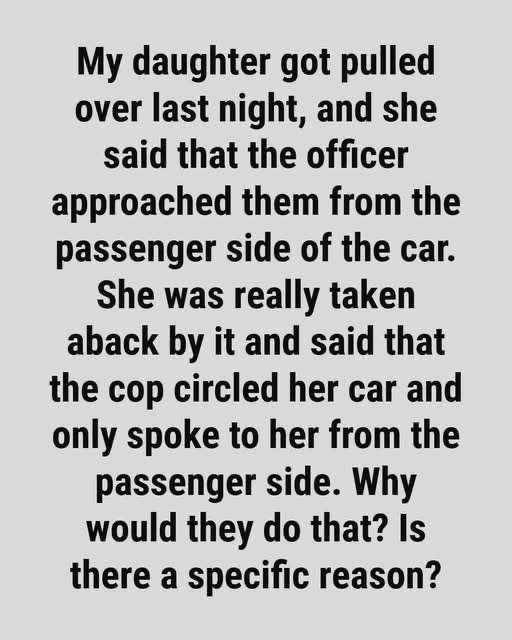
Officers observe everything: the trunk, backseat passengers, and general energy of the car. Touching the rear of the car leaves a fingerprint, a simple safety measure linking the officer to the vehicle if needed. Sometimes, officers approach from the passenger side—it’s all situational and strategic.
During the Conversation
When the officer reaches your window, the interaction may feel tense—but it’s routine. You’ll likely be asked to turn off the engine and place your keys on the dash. This prevents the car from being driven suddenly.
They’ll request your license, registration, and insurance. Don’t be surprised if they repeat questions or speak to passengers separately. This is trained situational awareness, not suspicion.
Officer and Driver Safety
Every step protects both parties. Officers position themselves to minimize risk. Their body language, stance, and hand placement are all intentional.
You play a key role too: relax, keep your hands visible, and wait until asked before reaching for documents. Rummaging prematurely can create unnecessary tension.
Common Misconceptions
Many misunderstand these procedures:
-
Lights and questions aren’t personal: Officers follow routine protocols, not assumptions about guilt.
-
Touching your car isn’t intimidation: It’s a safety measure that works.
-
Being asked out of the vehicle doesn’t signal trouble: Sometimes it’s for clarification or precaution.
The Big Picture
That flashing red and blue light is not a “gotcha” moment. It signals the start of a carefully planned procedure designed for safety—yours, your passengers’, and the officer’s.
From spotting a potential issue to the final “drive safe,” traffic stops follow a pattern. Knowing what’s happening can turn fear into understanding.
Next time you’re pulled over, take a deep breath. Pull over safely. Show your hands. Let the officer do their job. Most of the time, it’s just a conversation—and a few papers exchanged.