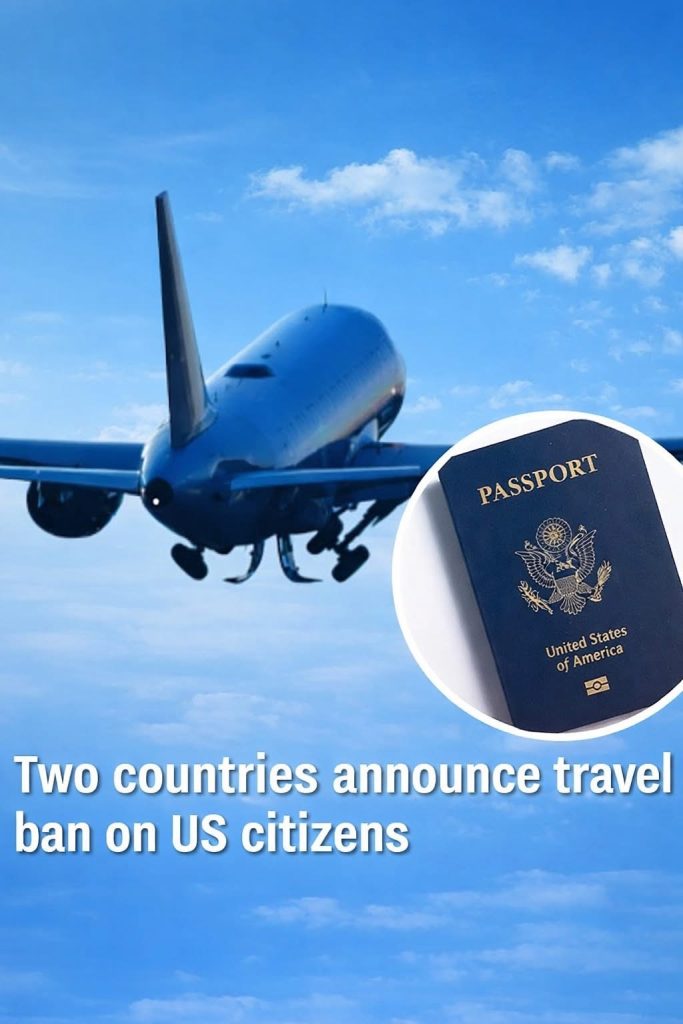
Two bans. Two flags. One escalating diplomatic firestorm.
Within days of Donald Trump unveiling a sweeping expansion of U.S. travel restrictions, Mali and Burkina Faso have stunned Washington with a brutal response:
Americans no longer welcome. Officials call it “reciprocity.” Critics call it the start of a dangerous new era.
Mali and Burkina Faso’s decisions to shut their doors to U.S. citizens mark more than symbolic defiance;
they signal a widening fracture in America’s relations with a strategically vital region.
By invoking “reciprocity,” these governments are framing their bans as a matter of dignity and equality, not mere retaliation.
Niger’s permanent visa halt and Chad’s earlier suspension now look less like isolated gestures and more like the early contours of a coordinated front.
Behind the legal language and diplomatic notes are real human consequences:
families divided, aid projects stalled, students and workers stranded between policies they never voted on.
As Washington insists the expanded travel bans are about security, leaders in the Sahel portray them as discrimination wrapped in bureaucracy.
Between those two narratives lies a growing mistrust that will be far harder to lift than any visa restriction.