
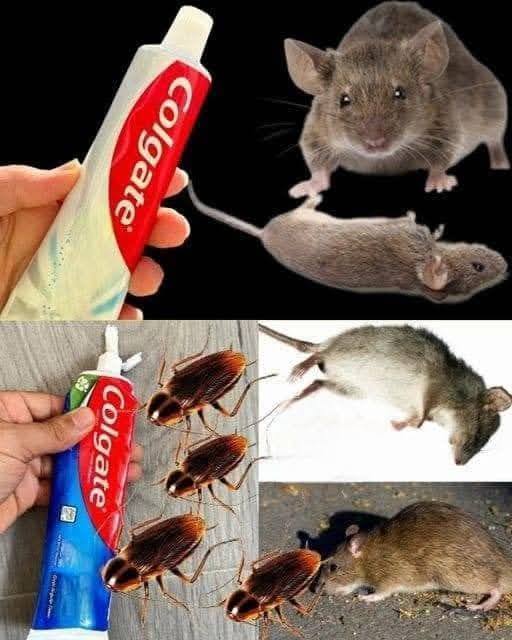
This natural pest repellent paste is a DIY remedy designed to deter rodents and cockroaches using the potent properties of cloves, mint, and other aromatic ingredients. Inspired by traditional home remedies and modern eco-conscious practices, this paste offers a chemical-free alternative to commercial repellents. It’s safe to use around children and pets (when applied properly), and it targets pests’ sensory systems—especially their aversion to strong smells and irritants.
Cloves contain eugenol, a compound with powerful insecticidal and antimicrobial properties. Mint, especially peppermint, is known to repel rodents due to its intense aroma. When combined into a paste and strategically placed around entry points, kitchen cabinets, and dark corners, this formula creates an invisible barrier that pests instinctively avoid. It doesn’t kill them instantly but drives them away over time, disrupting their nesting and feeding patterns.
This recipe is ideal for households seeking sustainable pest control, especially in areas where chemical sprays are undesirable. It’s easy to make, long-lasting, and can be refreshed weekly for continued effectiveness.
INGREDIENTS:
2 tablespoons whole cloves (crushed or ground)
1 tablespoon peppermint oil or 2 tablespoons fresh mint leaves (crushed)
1 tablespoon baking soda (for odor absorption and mild desiccation)
1 tablespoon flour (acts as a binder)
1 tablespoon cornstarch or arrowroot powder (for paste texture)
2 tablespoons water (adjust for consistency)
1 teaspoon vinegar or lemon juice (optional, for acidity and added repellent effect)
1 teaspoon dish soap (optional, for surface adhesion and insect disruption)
Small bowl and spoon for mixing
Cotton balls or cardboard strips for application
INSTRUCTION: Step-by-Step Preparation:
Crush the Cloves: Use a mortar and pestle or spice grinder to crush whole cloves into a coarse powder. This releases the eugenol and intensifies the aroma.
Prepare the Mint: If using fresh mint, crush the leaves to release oils. If using peppermint oil, measure carefully—it’s potent and concentrated.
Mix Dry Ingredients: In a bowl, combine crushed cloves, baking soda, flour, and cornstarch. Stir until evenly blended.
Add Liquids: Slowly add water, vinegar or lemon juice, and dish soap (if using). Stir until a thick, spreadable paste forms. Adjust water or cornstarch to achieve desired consistency.
Infuse with Mint: Add crushed mint or peppermint oil. Mix thoroughly. The paste should be aromatic and slightly gritty.
Apply Strategically: Dab the paste onto cotton balls or cardboard strips. Place near suspected entry points, under sinks, behind appliances, inside cabinets, and along baseboards.
Refresh Weekly: Replace cotton balls or reapply paste every 5–7 days for continued effectiveness. Monitor pest activity and adjust placement as needed.
SERVINGS: Yields enough paste for 10–12 placements Effective for 1–2 rooms depending on size and infestation level
NOTE: This paste is a deterrent, not a poison. It works best as part of an integrated pest management strategy. Seal cracks, clean food spills, and remove clutter to enhance results. Avoid placing paste directly on porous surfaces or near food prep areas. Always test a small area before applying to painted or delicate surfaces.
If you have a severe infestation, this remedy may reduce activity but not eliminate the problem entirely. In such cases, consult a professional or combine with traps and exclusion techniques.
DAY-BY-DAY EFFECTIVENESS:
Day 1–2: Sensory Disruption Begins Rodents and roaches detect the strong aroma of cloves and mint. Their movement patterns shift, and they begin avoiding treated areas.
Day 3–4: Reduced Activity You may notice fewer droppings, less scratching sounds, and reduced sightings. Pests begin relocating or avoiding nesting zones.
Day 5–6: Repellent Barrier Strengthens The paste continues releasing aromatic compounds. Pests are repelled from entry points and food sources. The environment becomes inhospitable.
Day 7: Maintenance & Monitoring Replace or refresh paste. Continue observing pest behavior. If activity persists, expand coverage or combine with other natural methods.
OTHER NATURAL PEST CONTROL RECIPES:
1. Clove & Bay Leaf Sachets
Mix crushed cloves and bay leaves
Place in breathable pouches
Tuck into drawers, cabinets, and pantry corners
2. Mint Vinegar Spray
Steep mint leaves in vinegar for 3 days
Strain and spray around windows, doors, and baseboards
Repels ants, roaches, and rodents
3. Citrus Peel Powder
Dry lemon or orange peels
Grind into powder and sprinkle near trash bins
Deters flies and roaches
4. Garlic & Chili Paste
Blend garlic cloves and chili peppers
Mix with water and apply near outdoor entry points
Strong irritant for rodents and insects
5. Baking Soda & Sugar Bait (for roaches)
Mix equal parts baking soda and sugar
Place in shallow lids near roach trails
Sugar attracts, baking soda disrupts digestion
WHY THIS RECIPE WORKS: Cloves contain eugenol, which disrupts insect nervous systems and repels rodents. Mint overwhelms their olfactory senses, making treated areas uninhabitable. Baking soda absorbs odors and dries out insect exoskeletons. The paste format allows slow release of active compounds and easy placement.
This remedy is safe, sustainable, and adaptable. It empowers you to take control of your home environment without relying on harsh chemicals. It’s especially useful in kitchens, bedrooms, and storage areas where cleanliness and safety are priorities.
FINAL THOUGHTS: Natural Pest Repellent Paste is more than a homemade solution—it’s a statement of mindful living. It reflects a commitment to wellness, sustainability, and proactive care. Whether you’re dealing with a few curious mice or a trail of roaches, this clove-based formula offers a gentle yet effective way to reclaim your space.