
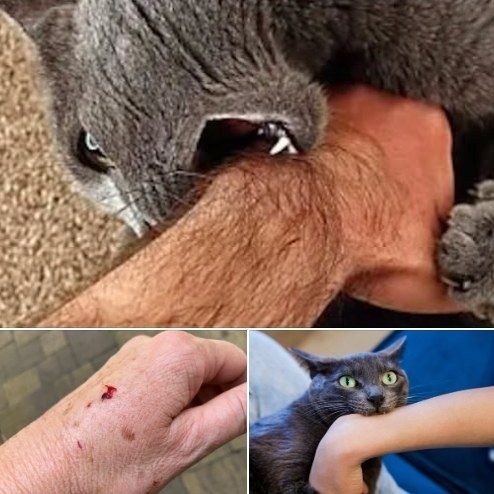
Cats are fascinating companions with quirks that make them both entertaining and mysterious. Among their many behaviors, biting can be especially confusing because it can mean very different things depending on the situation. Understanding why cats bite helps keep interactions safe and strengthens the bond between you and your pet.
One common reason for biting is playfulness. Young cats, in particular, explore the world with their mouths and may nip during play as they practice hunting skills. These playful bites are usually gentle, though still sharp. Redirecting this energy toward toys helps protect your hands while giving your cat a healthy outlet.
Another type of bite happens during affectionate moments. Often called “love bites,” these gentle nibbles may occur while a cat is purring or enjoying pets. They can signal affection, but sometimes they indicate that your cat is reaching its limit and needs a break. Watching for signs like twitching tails or restless movements helps prevent overstimulation.
Overstimulation is a frequent cause of sudden nips. Some cats enjoy petting only for short periods or avoid certain sensitive areas. A quick bite in this context is simply your cat’s way of saying, “That’s enough.” Respecting these boundaries builds trust and makes future interactions smoother.
Fear or stress can also trigger biting. A startled or cornered cat may use a bite as a form of self-defense. Providing hiding spots, a calm environment, and gentle approaches can reduce these reactions and help your cat feel secure.
Sometimes biting signals pain or discomfort. If a typically gentle cat begins biting unexpectedly, health issues like dental pain or arthritis may be involved. A veterinary checkup is important to rule out medical problems.
Territorial behavior can also lead to biting, especially in multi-cat homes where competition for space or attention may arise. Kittens, meanwhile, often bite during exploration, making early redirection essential.
Regardless of the reason, treating any bite promptly is important. Cleaning the wound and monitoring for signs of infection keeps both you and your cat safe while maintaining a positive relationship.