
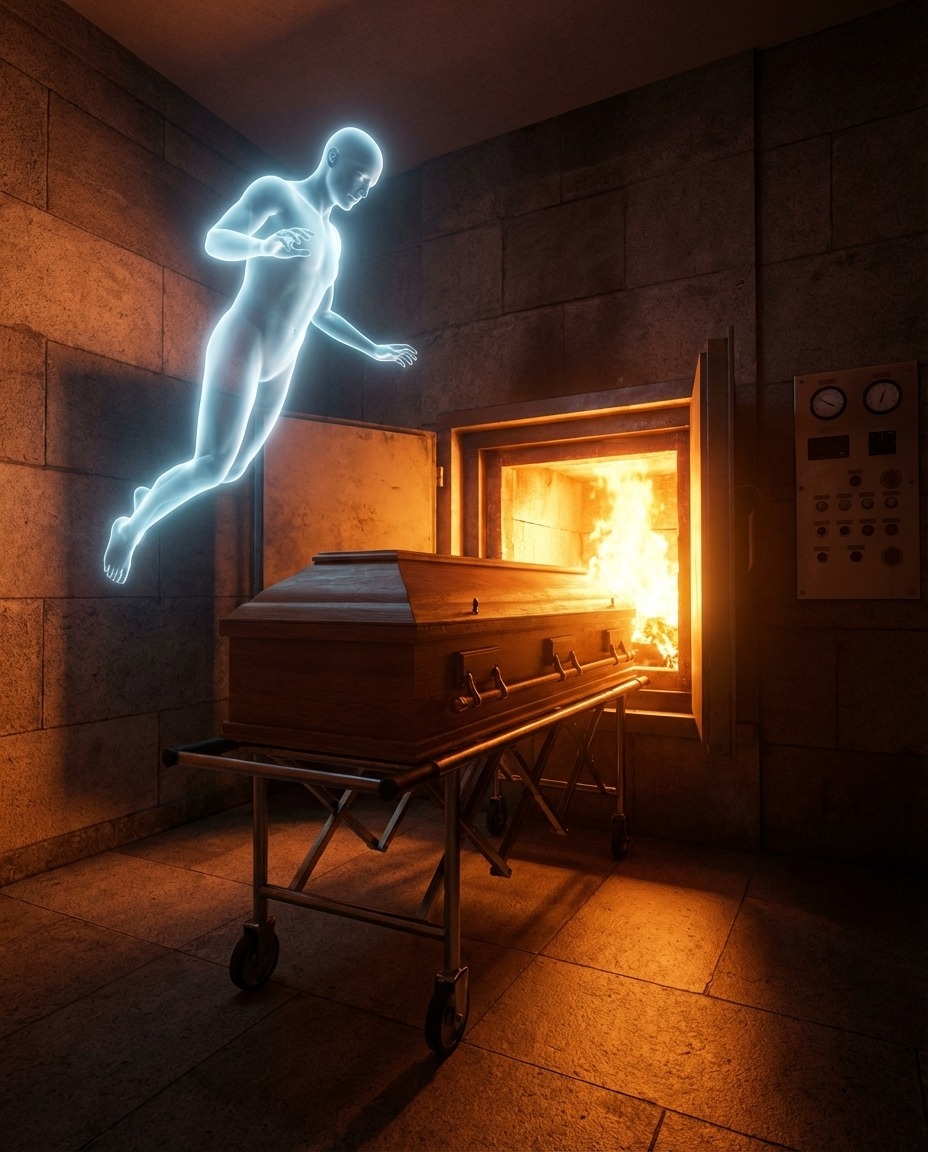
Few topics inspire as much reflection as what happens after death and how the body is laid to rest. As cremation becomes more common, many believers pause to consider deeper questions: Does it carry spiritual meaning? Does it conflict with faith? These concerns focus less on the process and more on its symbolism.
The Bible does not explicitly command cremation, but burial is consistently described as the customary practice. From Old Testament patriarchs to the burial of Jesus, laying the body in the earth symbolizes honor and expectation. Many see burial as a visible expression of trust in resurrection.
Verses about returning to dust reinforce the connection between the physical body and spiritual hope. This imagery has shaped traditions that honor the body while pointing toward life beyond death.
At the same time, scripture emphasizes that God’s power is not limited by physical conditions. History records faithful individuals whose bodies were lost to fire, sea, or disaster, yet their hope remained intact.
From this perspective, the method matters less than the meaning. Whether through burial or cremation, faith rests in a Creator capable of restoring life beyond earthly processes.
Pastors and families often focus on intention rather than technique. Choices made for simplicity, affordability, or circumstance are viewed differently than decisions contradicting beliefs about resurrection or spiritual continuity.
Many churches encourage believers to act according to conscience, emphasizing dignity and respect regardless of the method chosen. Cremation can be compatible with faith when approached thoughtfully.
Ultimately, the discussion is less about the body and more about hope. For people of faith, lasting assurance lies not in the ground or ashes, but in the promise of life beyond this world, where spiritual continuity transcends earthly forms.