

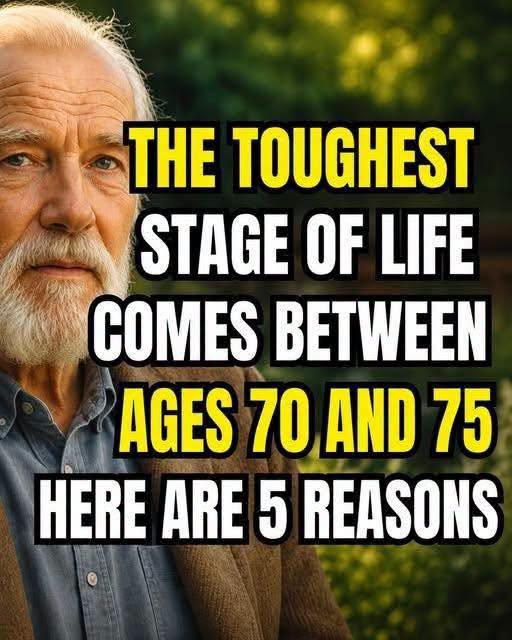
Turning 70 is a major milestone, often seen as a peaceful stage of life. Yet beneath this calm image lies a period of rapid physical and mental change. This phase isn’t about inevitable decline, but it does demand awareness and adaptation to maintain independence and quality of life.
One of the biggest challenges is muscle loss, known as sarcopenia. After 70, it accelerates, making everyday tasks harder. Maintaining strength through resistance exercises and adequate protein intake becomes essential, not optional.
Balance also becomes more fragile. It relies on coordination between the brain, vision, and nerves, all of which slow with age. A minor misstep can now lead to serious injury, and fear of falling often causes inactivity, increasing the risk further.
Loneliness is another hidden threat. As social circles shrink, isolation can grow, impacting both mental and physical health. Staying socially active through conversations, groups, or regular contact is vital for overall well-being.
The body’s ability to regulate temperature weakens too. You may not feel thirst or temperature changes as clearly, increasing risks of dehydration or overheating. Building habits like regular hydration and monitoring your environment becomes crucial.
Sleep patterns often change as well. Deep, restorative sleep may decline, leading to fatigue and reduced mental sharpness. Simple adjustments like limiting screen time and getting daylight exposure can help improve rest.
These changes may feel overwhelming, but they are manageable. Small, consistent habits—exercise, social interaction, hydration, and sleep care—make a meaningful difference over time.
Aging well is not about perfection, but maintenance. Paying attention to your body and seeking help when needed allows you to preserve independence and continue living with strength and purpose.