
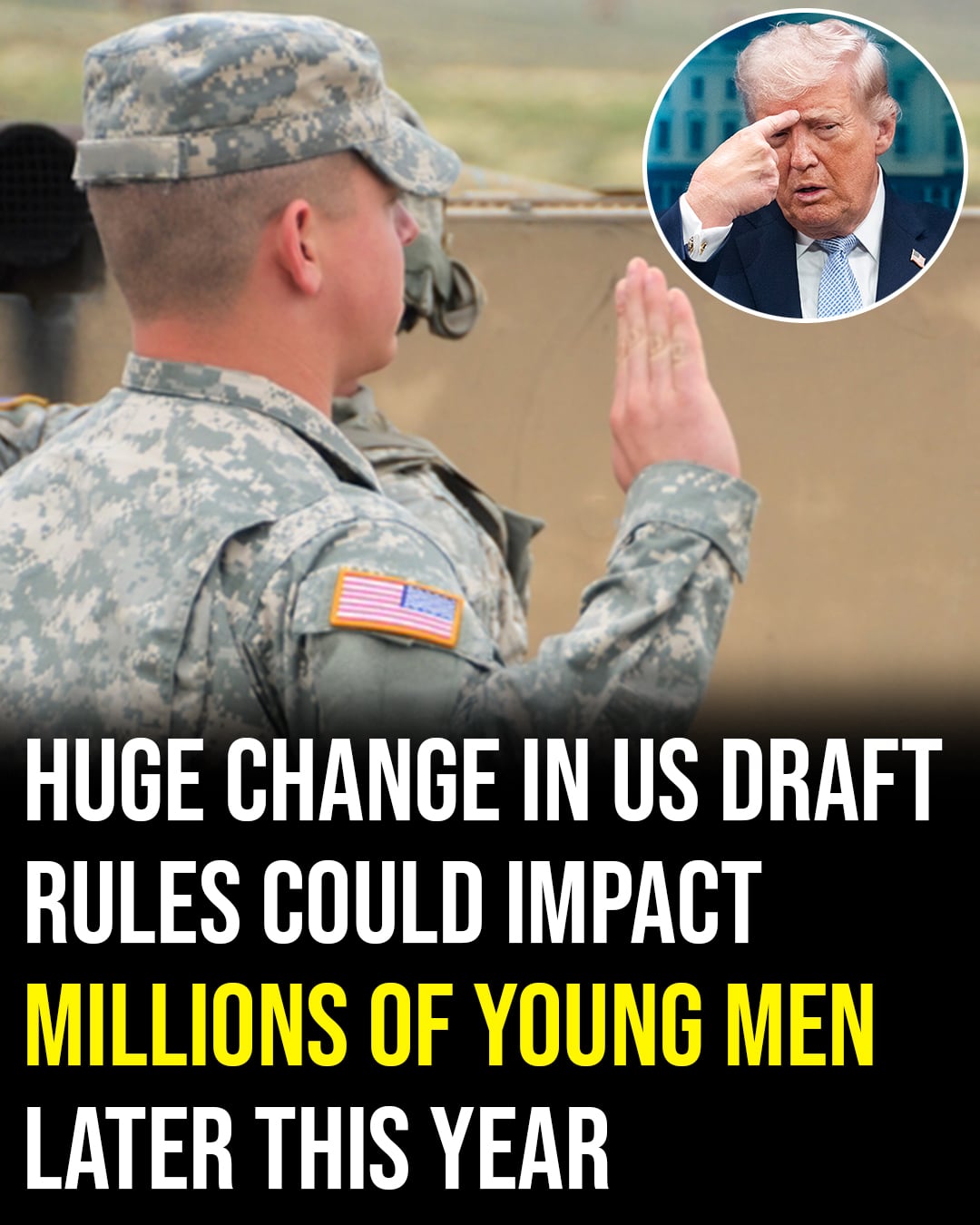
Automatic draft registration marks a turning point in how the U.S. balances national security, personal responsibility, and individual consent. For years, young men were expected to knowingly register, sign their names, and accept the legal weight of that choice. Now, the government will quietly do it for them, pulling data from agencies and systems they already rely on to drive, study, or work.
Supporters insist this is about efficiency, not escalation: higher compliance, lower costs, better readiness if the unthinkable ever happens. But the symbolism is powerful. At a time of global instability and deep political division at home, the state is tightening its grip on a system built for emergencies. Even if no draft is imminent, automatic registration sends a clear message: if a crisis comes, the government wants every eligible name ready, whether they volunteered or not.