
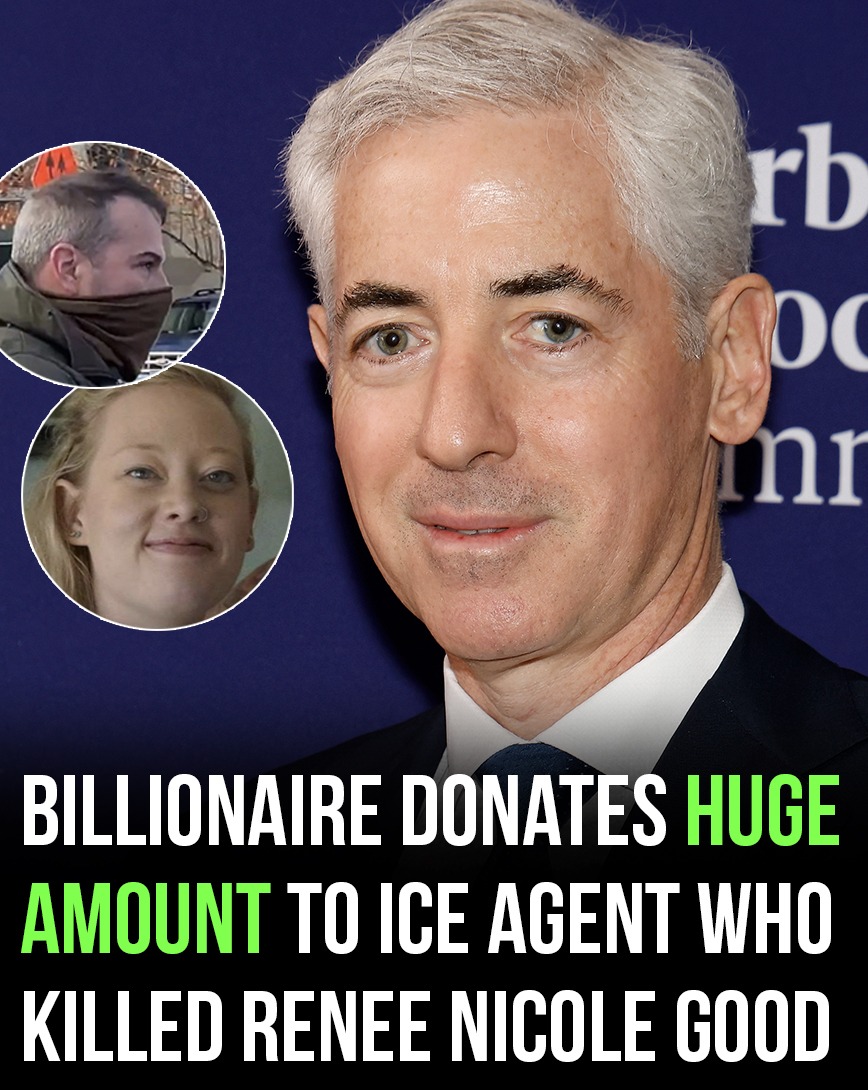
The outrage was immediate after news broke that billionaire hedge-fund manager Bill Ackman donated $10,000 to a GoFundMe supporting the ICE agent who fatally shot Renee Nicole Good in Minneapolis. Ackman said he gave because he is a “big believer in our legal principle that one is innocent until proven guilty” and also tried to give to Good’s family fund but missed it after it closed.
Good, a 37-year-old mother of three, was killed during an encounter with Immigration and Customs Enforcement agents in her Minneapolis neighborhood. The shooting sparked protests and intense debate over use of force by federal immigration authorities.
While some defenders described Ackman’s gift as a stand for due process, critics saw it as endorsing a system that too often justifies deadly force against Black and brown individuals. Many pointed out that Ackman’s donation became symbolic in a broader conversation about power, privilege, and accountability in policing.
At the same time, a GoFundMe for Good’s family raised more than $1.5 million before closing, driven by thousands of small donations and public grief over her death. Supporters described Good as loving and caring, emphasizing the loss felt by her community.
The campaign for the ICE agent, organized by a private individual, also drew criticism for its language and framing, with some observers noting it conflicted with the fundraising platform’s policies on supporting legal defenses in violent cases.
In Minneapolis and beyond, the episode has reopened wounds around federal enforcement practices and justice. Questions about what the footage of the incident shows, and how public funds are raised for agents involved in fatal shootings, have fueled ongoing debate.
Amid the polarized reactions, Renee Good’s wife has tried to center attention on Good’s life and kindness, even as national discourse focuses on law enforcement and public safety.
The dispute over Ackman’s donation highlights how high-profile gestures can become lightning rods in discussions about race, policing, and the value of human life in the United States.